


-
The Importance of Regular Calibration for Dental Instruments
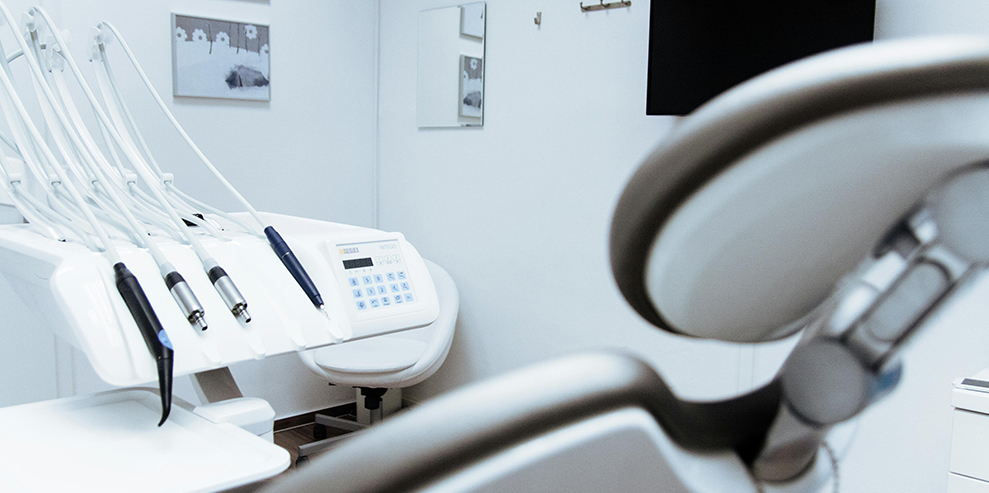
In the field of dentistry, precision is paramount. Dental professionals depend on their tools to provide-quality care and find oral related problems to the precise or complex procedures. Among the most crucial and often neglected practices of maintaining these lifelines is the regular calibration of dental instruments. In this blog post, we’ll explore why calibrating dental instruments is not just important, but essential for optimal patient care and practice efficiency.
What is Calibration?
Calibration is actually checking and adjusting how accurately a known standard reads measuring instruments. In the case of dental instruments, calibration thus means making sure measuring instruments yield precise measurements or consistent performance.
Discover Trusta for a comprehensive selection of high-quality Dental Instruments Manufacturers and Suppliers in Oman, our factory produces healthcare consumables, instruments, and equipment. Our product range includes a meticulously curated portfolio of premium healthcare supplies across infection prevention, dental, medical, and laboratory sectors.
Why Calibration Matters
Accuracy and Precision: Dental procedures often require high levels of precision. For instance, when taking radiographs or using digital imaging systems, even minor inaccuracies can lead to misdiagnosis or incorrect treatment planning. Regular calibration ensures that instruments are accurate and reliable, providing consistent and precise results.
Patient Safety: Incorrectly calibrated instruments can pose risks to patient safety. For example, a miscalibrated ultrasonic scaler might deliver too much or too little power, potentially causing damage to the tooth or surrounding tissue. Regular calibration minimizes these risks by ensuring that instruments operate within their intended parameters.
Treatment Outcomes: The success of many dental treatments relies on the correct functioning of instruments. For example, precise measurements are critical for fitting crowns or aligners. If an instrument is not calibrated correctly, it could affect the fit and function of the dental appliances, leading to suboptimal treatment outcomes.
Compliance with Standards: Dental practices are often required to adhere to industry standards and regulations, which may include maintaining the calibration of equipment. Regular calibration helps ensure compliance with these standards and can be crucial for passing inspections or audits.
Extended Equipment Lifespan: Regular maintenance, including calibration, can extend the lifespan of dental instruments. By identifying and addressing potential issues early, calibration helps prevent more significant problems that could lead to costly repairs or replacements.
Regular calibration of dental instruments is crucial for maintaining precision, ensuring patient safety, and delivering optimal care. By prioritizing this practice, dental professionals can improve treatment outcomes and extend equipment lifespan. For those in Oman seeking to uphold the highest standards, sourcing Dental Instruments at Best Price in Oman from reputable suppliers is equally important. Remember, investing in instrument accuracy is an investment in your practice’s success and your patients’ well-being.
